
Learning: Shooting Foliage
3 Practical Tips for Creating Portfolio Worthy Autumn Images

One of the many benefits to living in New England is the amazing color we experience each Autumn as the hardwood deciduous trees of the region turn the beautiful yellows, oranges, and reds that they are so well known for.
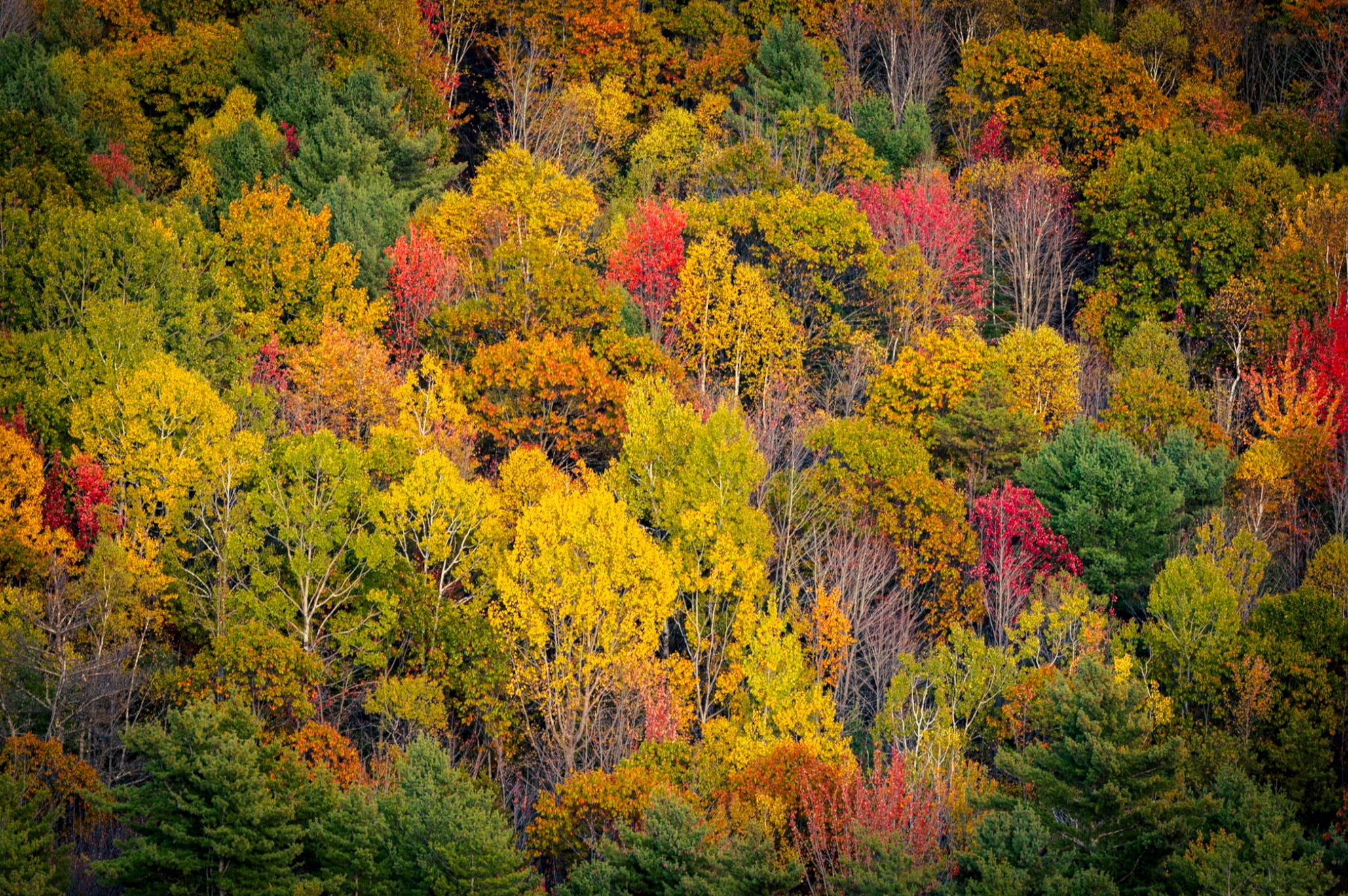
As always, the foliage each fall is dependent upon the year’s climate and, as my good friend, Jim Salge pointed out in his annual foliage forecast for Yankee Magazine, New England had unusual weather in 2025. An incredibly wet spring (12 rainy weekends in a row) followed by a relentlessly dry summer, has stressed the trees of the region resulting in inconsistent fall colors. Don’t get me wrong, there are pockets of beauty throughout the area, but unlike previous years, it’s been a little more work to find the vibrant colors that the region is known for.
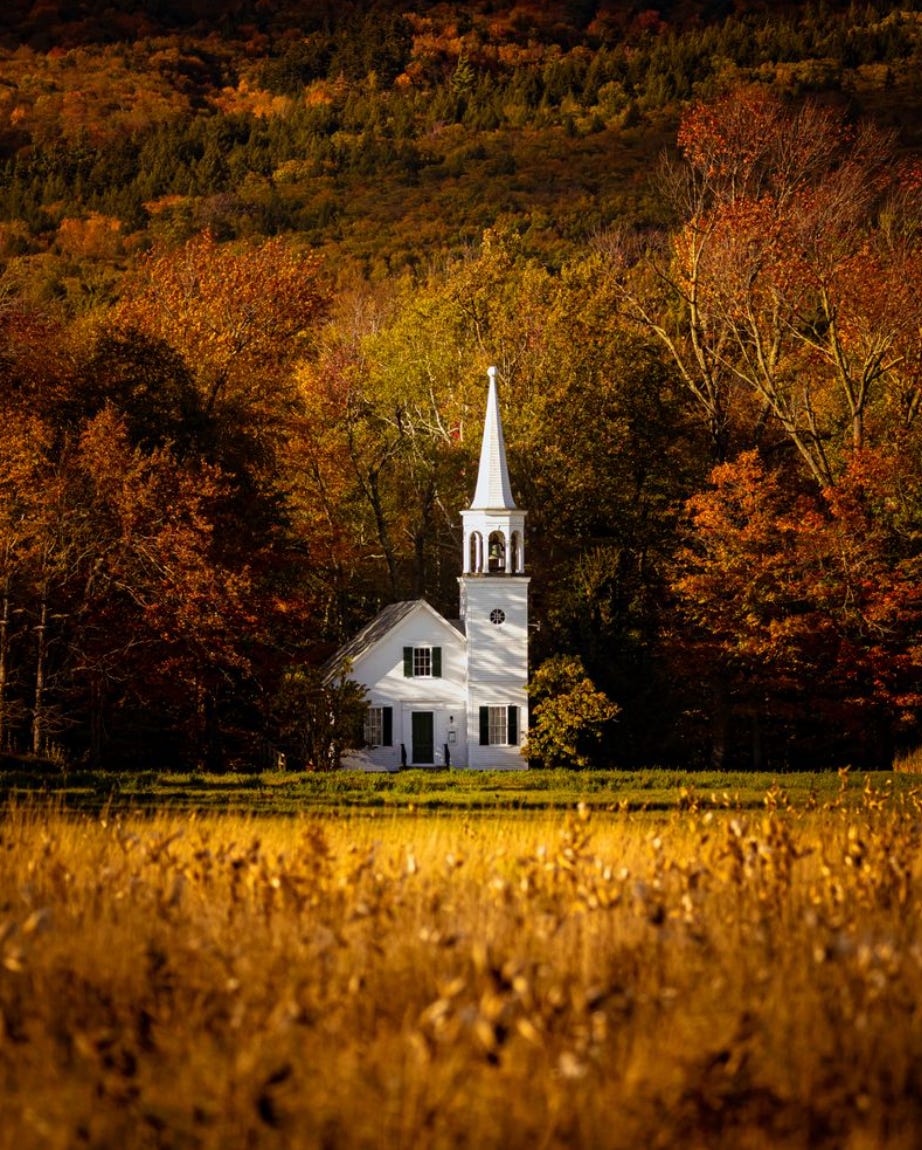
The great thing about foliage, however is that it isn’t limited to New England. The region’s local chambers of commerce may have been first to market the “autumness” of it all, but plenty of areas around the country experience the beauty of fall colors including Rocky Mountain Region, the Pacific Northwest, parts of the upper midwest, and the southeastern part of the United States just to name a few. In fact, I’ll be in southern Virginia this week, and look forward to a few hours of shooting color along the Blue Ridge Parkway a bit.
With the idea that New England isn’t alone in autumn splendor, and that even as we enter mid October, there are still plenty of great autumn scenes to be photographed, here are three practical tips for creating impactful autumn images.
Cloudy Days are King. Everyone loves a sunny, crisp fall day. There’s nothing better than wearing shorts and t-shirt in September. It’s like finding another Christmas gift behind the tree after you think all the presents have been opened. It’s a bonus day, for sure.
But if you want to photograph fall color, its best to do it on cloudy days. As stunning as sunny fall days can be, the intense light from the sun tends to do two things.First, it will wash out colors. Those bright reds, oranges and yellows won’t be as dramatic with the sun’s direct light on them. I can recall years ago when I didn’t know then spending time in Lightroom post shoot pulling back the exposure on these shots in an attempt to recover some of the depth and complexity of the colors. Now I just don’t really go out when it’s sunny. The one exception would be deep in the woods where sun struggles to reach the forest floor and the dappled light that penetrates the forest paints the trees and shrubs subtly and appropriately.
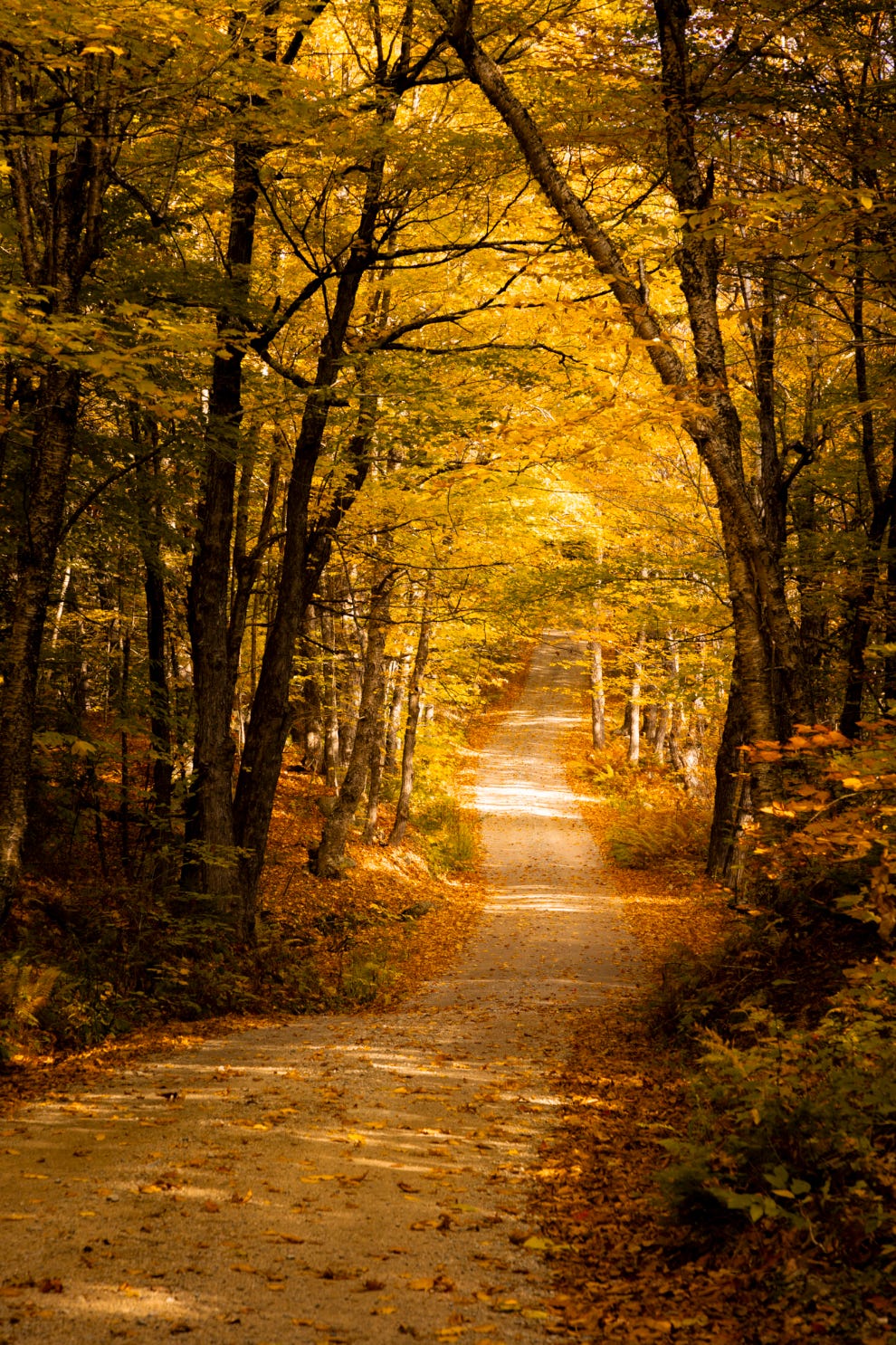
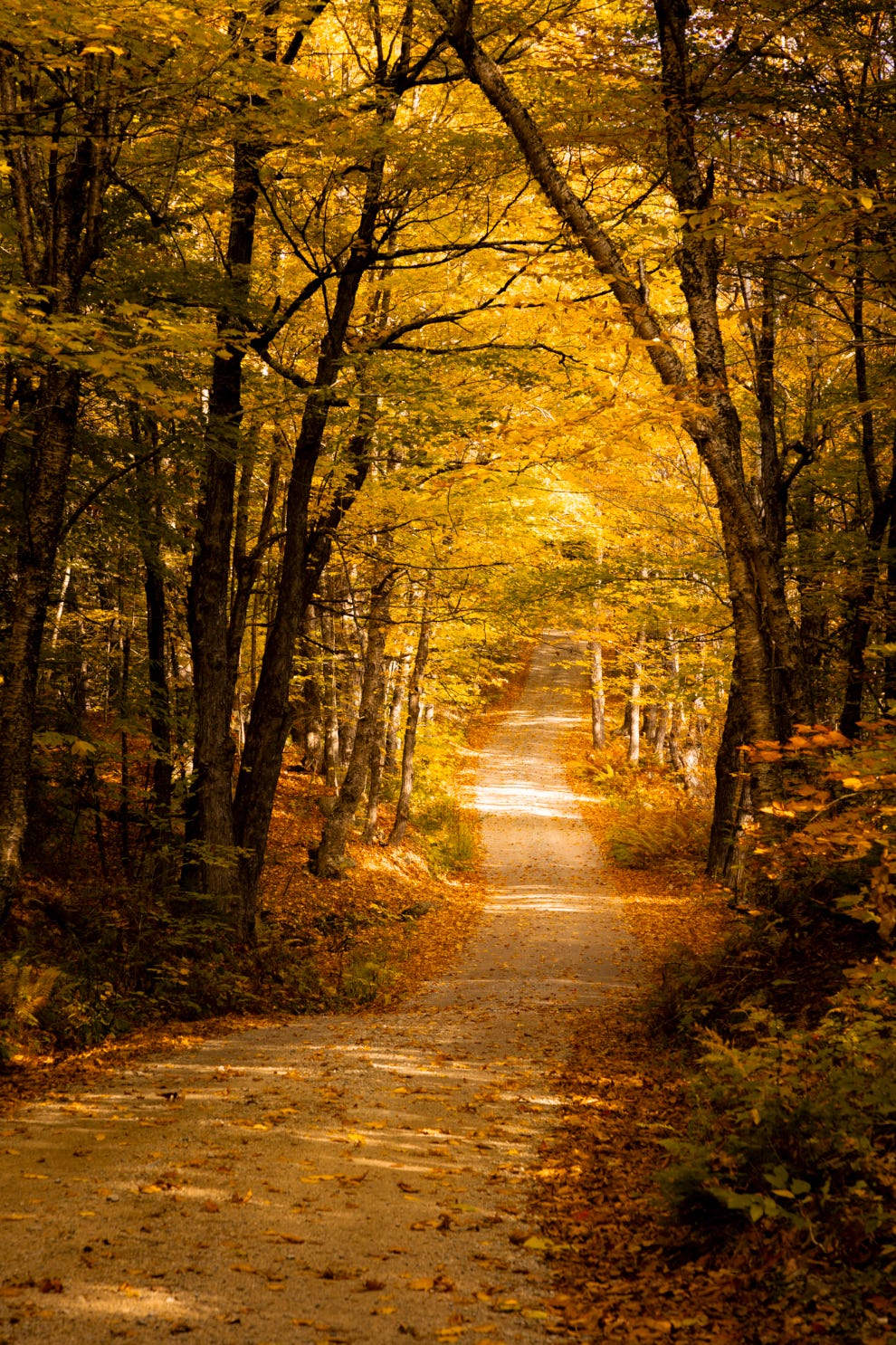
On sunny days, finding an area of the woods in which penetrating light forms soft, subtle dappling can be pleasing. Second, the harsh light tends to create too much contrast between the brightest brights and the deepest shadows. Autumn calls for a more subtle transition in tonal values and the soft box effect that clouds create tends to soften the landscape in a more pleasing way.
An added bonus to clouds is that if they creep close enough to, or rise up from, the ground in the from of fog, the addition of more atmosphere to a scene will enhance what may already be a gorgeous fall image.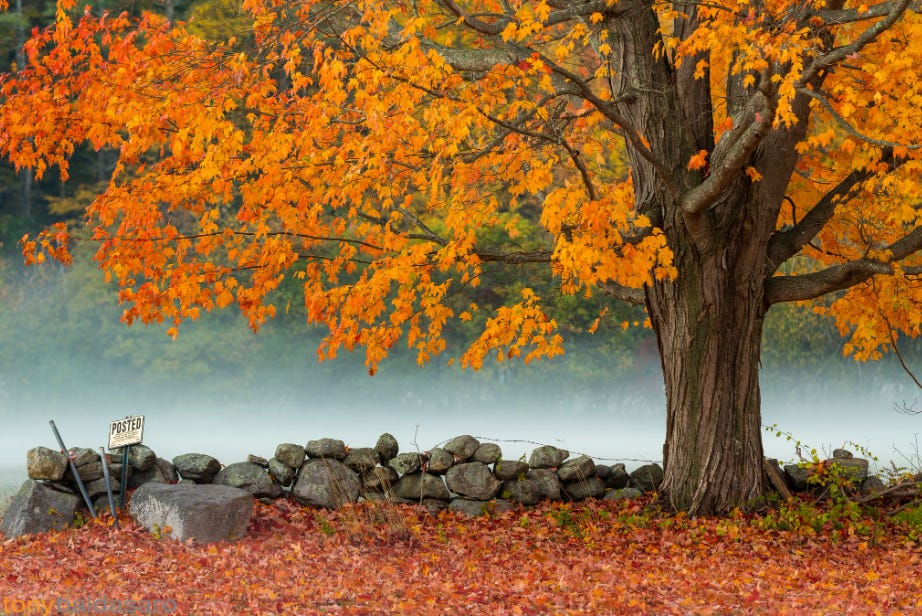
On overcast autumn days, colors tend to be a bit more vibrant as they are not washed out by a bright sun. Fog in the background is an added bonus as well.
Use a Polarizer. If you are a frequent reader of Chasing Moments, you’ll note that this isn’t the first time I’ve mentioned how important polarizers can be to landscape photography. Just like when photographing in the lushness of the Pacific Northwest, and how the polarizer was used to enhance the greens (and yellows) of the region, the polarizer will make the colors of the New England autumn pop. Oranges will orange, reds will red, and yellows will yellow, and you will capture deep, rich colors in your photograph.
The important thing to remember, is that you can’t polarize in post, you can only polarize in the field. Sure, you can increase vibrancy and saturation, but neither will recreate the depth and richness of color as will a polarizer. Plus, if there is any moisture on your subject, the polarizer will make a world of difference in reducing the glare created by the moisture. You can see in the videos below that as the circular polarizer is turned on the front of the lens (shown in first video), the colors become more rich and deep and the glare from the moisture on the leaves subsides (second video).Use Your Long Lens. This may be a bit of personal preference I suppose, but I prefer to shoot autumn landscapes using my long lens (100-500mm). I do this with two things in mind.
First, photography is the art of exclusion, so the more you hone in on a particular subject or area, the less likely you are to include something that you don’t want in your image.
Second, colors can be distracting and with the cacophony of color that we see in autumn, narrowing one’s viewpoint reduces the chances of including more colors that don’t add meaningful value to the image.
The other bonus to shooting with your long lens is that unless you time your shoot perfectly, the likelihood of a relatively large area all being full peak is pretty low. Above, I wrote about the patchiness of autumn color this year, but the reality is that tree species turn at different time of the year, are impacted by environmental factors differently, and operate on their own time tables. Shooting wide in the autumn is difficult because rarely do you get a grand wide shot with eye-popping color throughout. While that’s not a prerequisite of every autumn photograph, the likelihood of creating a pleasing composition with impactful color is more likely in the tighter windows produced by longer lenses.
Plus there’s a great sense of accomplishment in finding those little nuggets of composition within an immense and complex forest, isn’t there? :)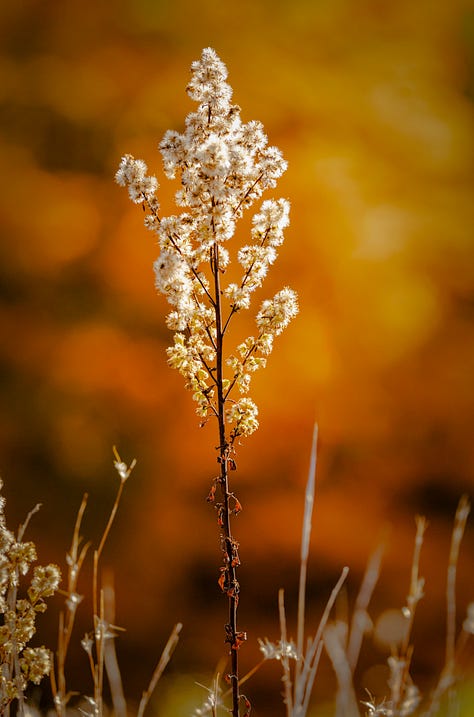
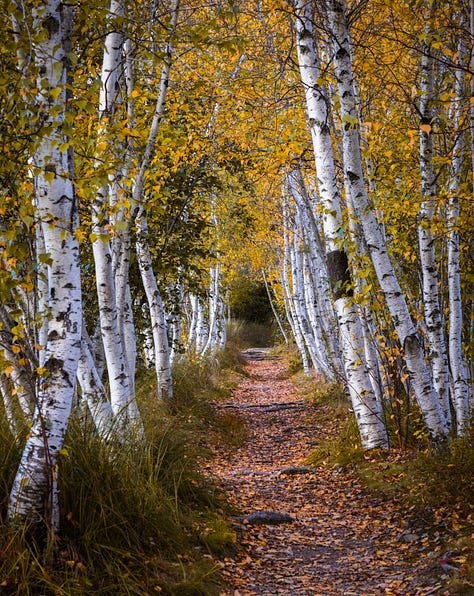
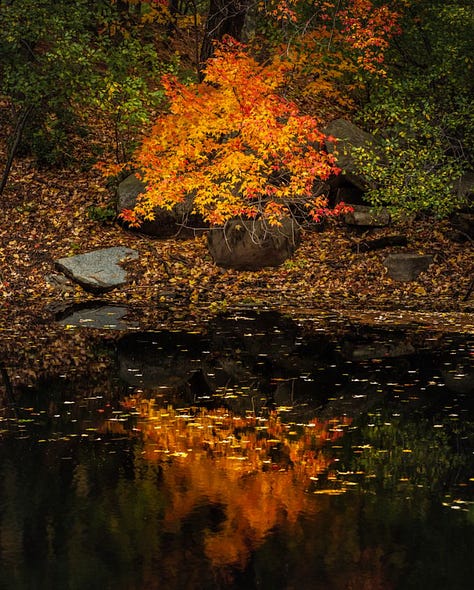
Looking for smaller scenes can help simplify an image and emphasize the feeling of autumn Of course, what goes unsaid here is the pure joy of being outside, in nature, in the fall. The humidity and bugs of summer are gone and the air is cool, crisp and refreshing allowing one to explore comfortably for long periods of time, and the color the forms and surrounds us for a magical few weeks in autumn, reminds us that we live in a beautiful natural world, one just waiting for us to be a part of it.


Admit that you are using the long lens hoping that an animal will come into the frame... :-)