
Chasing Moments: Spring Migration in New England
April 26, 2026

Chasing Moments
After a long, stubborn New England winter, spring is finally beginning to take hold. The ice has loosened its grip on ponds and rivers, the days are stretching a little longer, and with this shift comes one of the most remarkable spectacles of the year: the return of migratory birds. Over the next several weeks, millions of birds will pass overhead and through our forests, fields, marshes, and backyards, some pausing only briefly on their way to northern breeding grounds, others settling in to make New England their summer home.
This is a truly magical season here. Leaf buds are swelling and beginning to unfurl, splashing the treetops with fresh greens and soft reds. Early blossoms paint the landscape with dabs of color, and the greys of winter are slowly giving way to carpets of green grass. Layered over this visual transformation are the sounds of spring: the dawn chorus of songbirds building each day, notes of returning calls mixing with the familiar voices of year-round residents. It feels as if the entire ecosystem is waking up from a long, silent sleep.
Some of the larger, more conspicuous migrants have already made their return. Ospreys are reclaiming their nesting platforms, while Great Blue Herons, Snowy Egrets, and Glossy Ibises roam the marshes and tidal flats, stalking fish and amphibians along the way. But this is just the beginning. In the coming weeks, the finer threads of migration will weave through the region: delicate sandpipers picking their way along mudflats, quick and restless flycatchers flying out from their perches, warblers flitting through emerging foliage, secretive cuckoos hiding in the canopy, and a rich assortment of vireos and other passerines filling the woods with song.
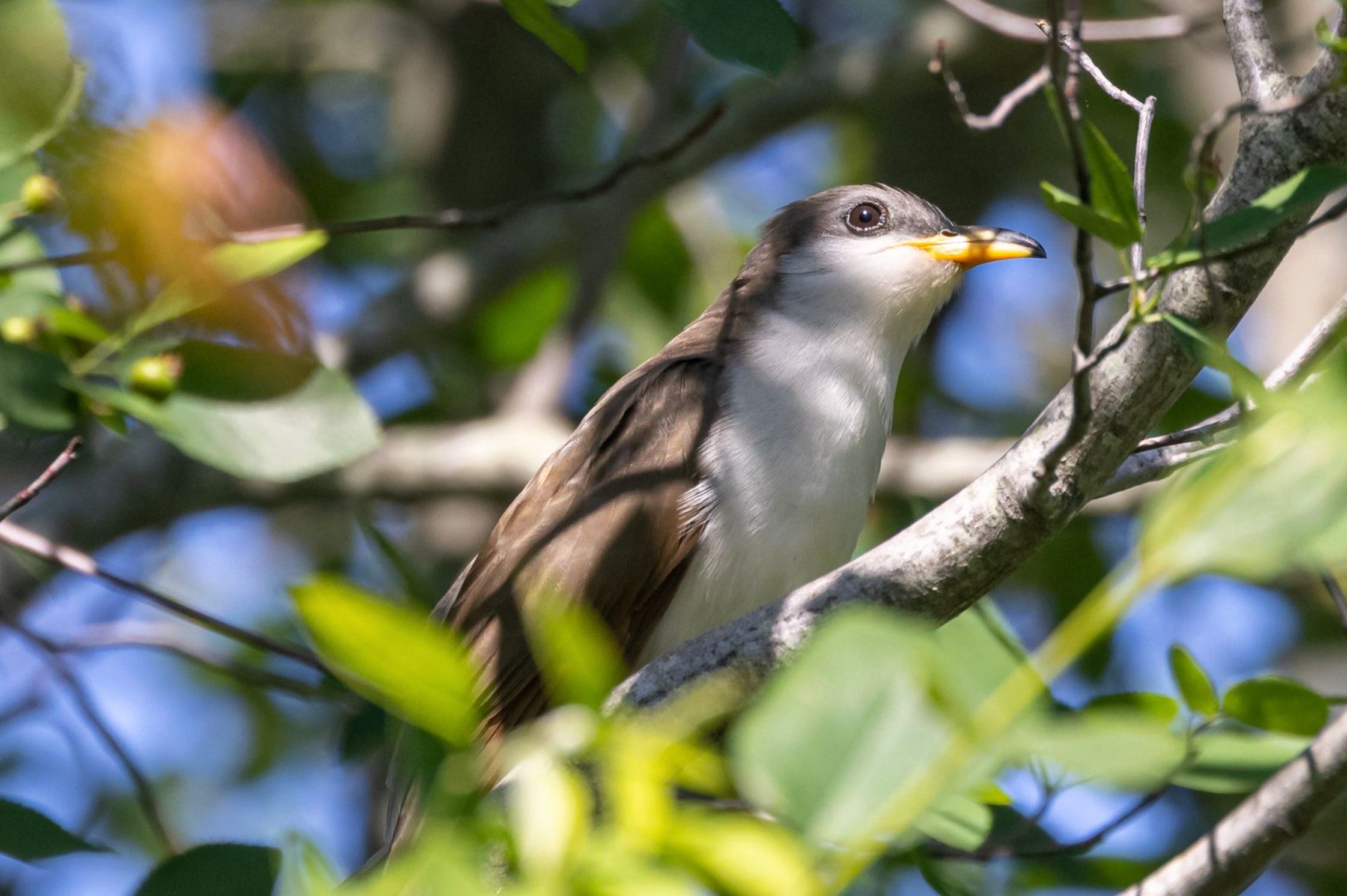
I know that many readers of Chasing Moments live outside of New England, some of you are already well into spring migration in your own regions, while others may still be waiting for the first real signs of seasonal change. Still, because this pivotal moment is just now unfolding here, I thought it would be a good time to share three thoughts on how I approach photographing birds during spring migration: the way I plan, the techniques I rely on, and the mindset that helps me make the most of this brief but extraordinary window in the year.
But before I do…
Workshop: Chasing Cape Cod
(Feel free to scroll down to the next section to read about migration photography)
Attending our Chasing Cape Cod Landscape Photography workshop on the Outer Cape in the fall isn’t something to put off for “someday.” It’s a brief, narrow window when everything comes together, light, weather, and empty beaches, and once it’s gone, you’re waiting another year.
By September and October, the summer crowds have disappeared, and the coastline finally feels open and accessible. That quiet matters: it lets you concentrate fully on light, timing, and composition instead of fighting for space in a parking lot or on a crowded beach path. We’ll be out before sunrise, moving fast over cool, damp sand to get into position before the first light skims across the Atlantic. Those first few minutes, when the dunes throw long shadows and the beach grass flashes a deep burnished gold, don’t last. You either know how to read and capture them, or you miss them.
As the day evolves, conditions change fast. Tides drain and refill tidal flats, creating reflections and leading lines that may not be there again during the workshop. Weathered fishing shacks and empty lifeguard stands look ordinary at noon, but tilt just a few degrees, wait for a cloud to move, and suddenly you have a frame you can’t get in July or January. Ben Williamson and I will help you, learn to recognize how quickly a great opportunity can appear, and vanish.
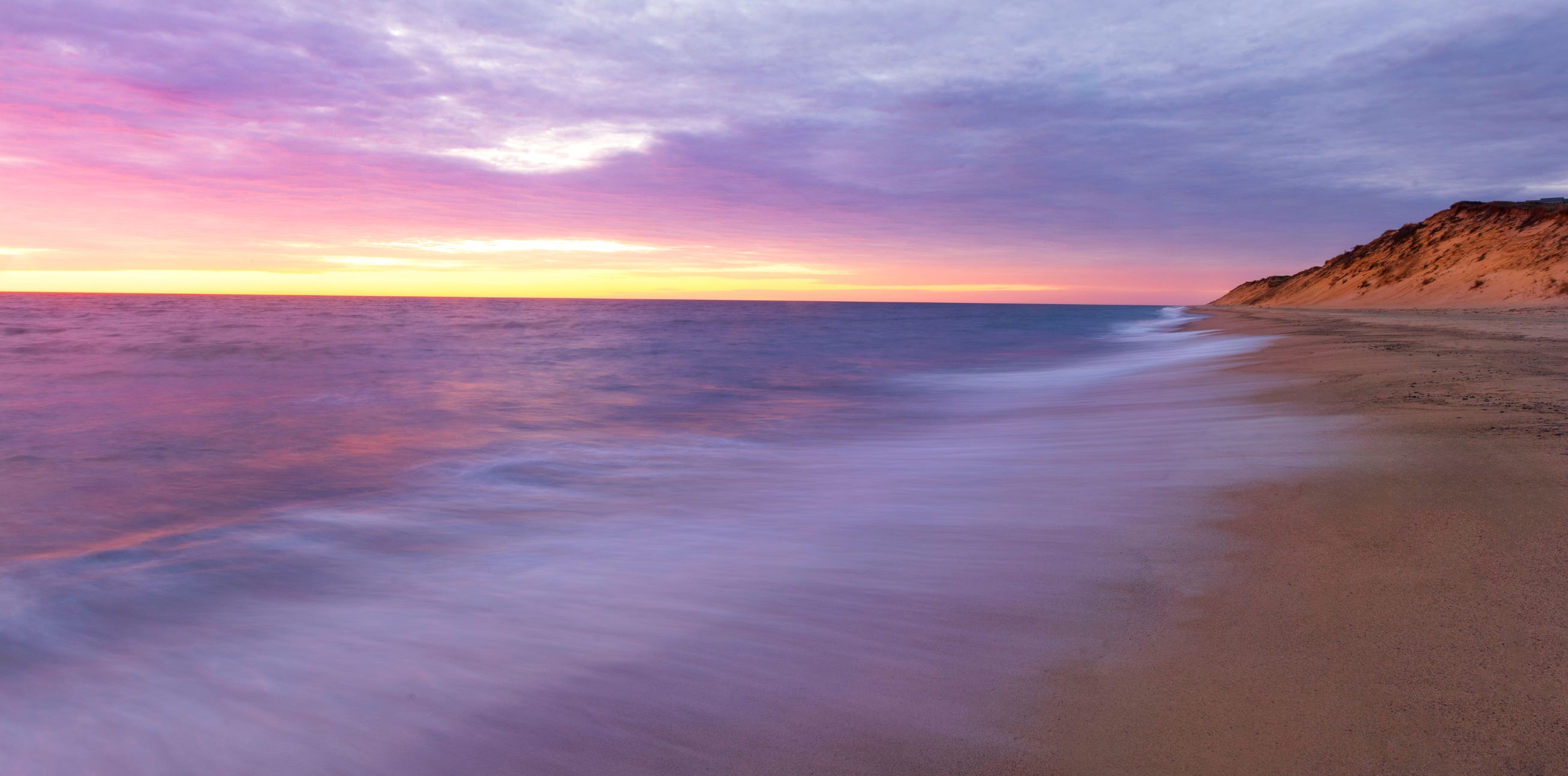
Late afternoons bring the famous Cape light, low and serenely colored, and it is short-lived. You might have 20 minutes of absolutely perfect light, and if you’re still fumbling with settings or unsure about your composition, it’s gone. Our goal is to have you read, thinking several steps ahead about where to stand, how to expose, and how to move as the sun drops.
By the end of the workshop, you won’t just walk away with stronger photographs; you’ll feel a sharper awareness that light, season, weather, and place are constantly shifting, and that your job as a photographer is to respond in the moment, decisively. The Outer Cape in fall doesn’t wait for anyone. This is your chance to be there, prepared, while it’s at its most compelling.
3 Approaches to Photographing Spring Migration
Planning
Modern tools have made migration planning far more precise. Before heading out, I rely on two in particular: BirdCast and eBird.
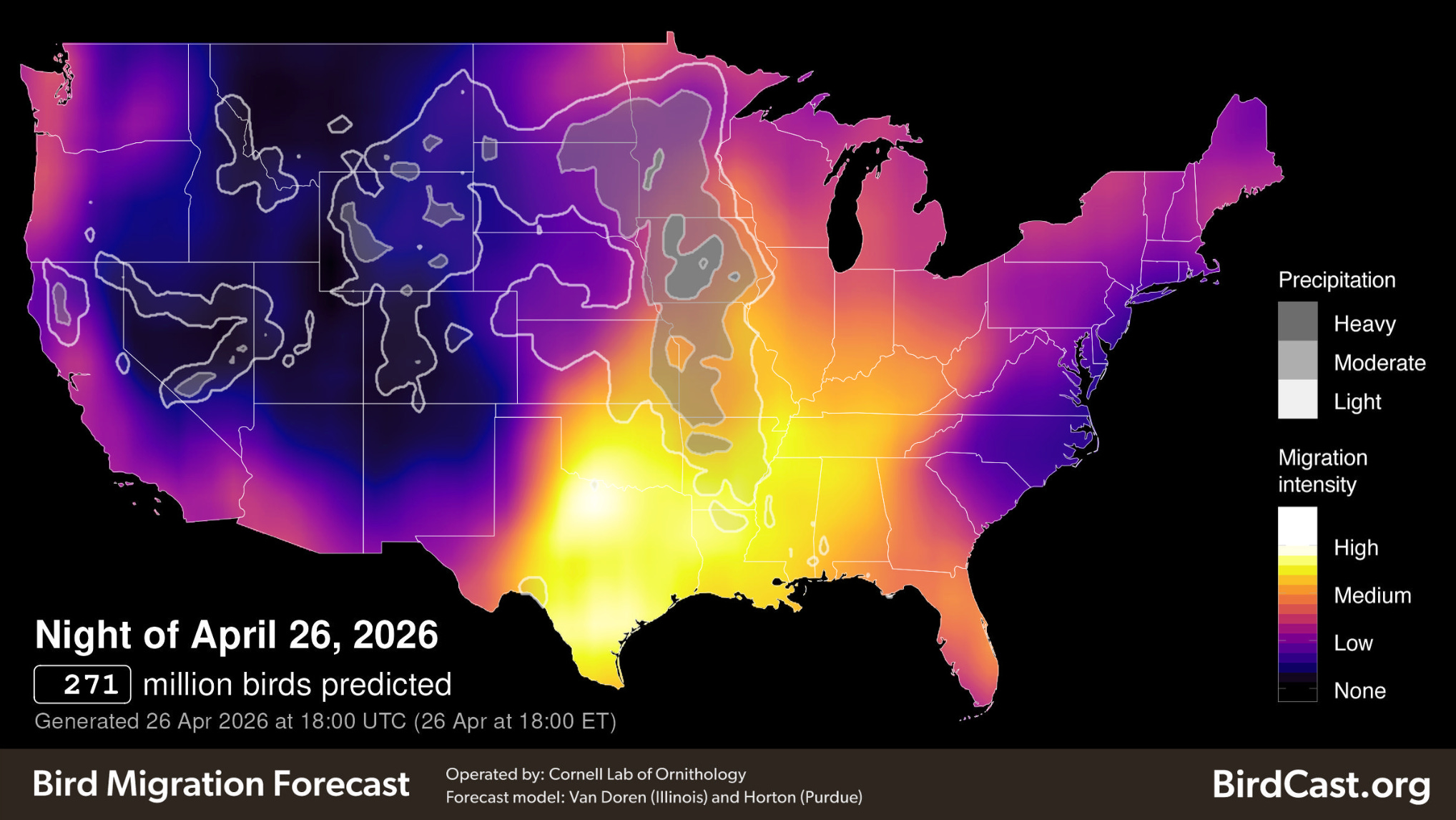
BirdCast, created by the Cornell Lab of Ornithology, uses weather radar to estimate the overnight movement of migrating birds. I start with the national migration forecast map to see whether the previous night produced heavy, moderate, or light movement across the United States. Over time, I’ve seen how migration intensity spikes with warmer temperatures and, especially, with overnight southerly winds that give birds a tailwind north.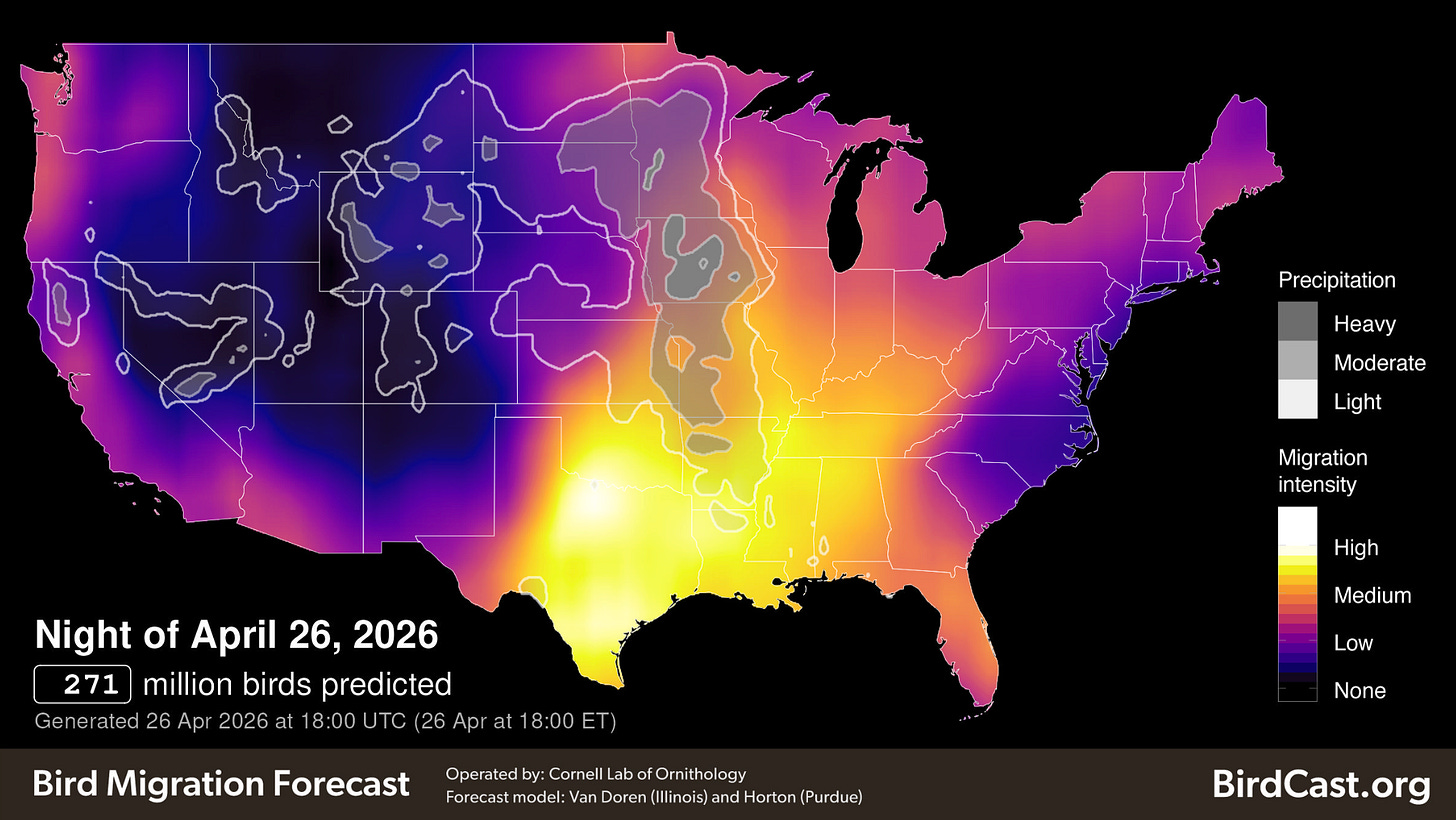
From there, BirdCast lets me zoom in by region (New England), state (New Hampshire), and even county (Rockingham). For each area, it estimates how many birds passed through overnight and, using historical data, which species are most likely involved. The list isn’t a guarantee, but decades of records make it a reliable guide. For instance, among warblers, Palm, Yellow-rumped, and Black-and-white Warblers are typically early arrivals, so I expect to see them at the front edge of spring migration.
My second essential tool is another product of Cornell, eBird. Powered by millions of checklists from birders worldwide, eBird compiles sightings with precise time, date, and location. A quick look at recent local reports shows which species have already arrived and exactly where they’re being seen. Uploaded photos, audio, and field notes add critical context, how the bird was found, what it was doing, and what habitat to look for.
Taken together, BirdCast and eBird let me move from a broad sense of migration conditions to specific, on-the-ground targets. They help me choose when to go out, which locations to prioritize, and which species I’m most likely to encounter and photograph on any given outing.
Photographic Techniques
Because most songbirds migrate at night, they feed heavily right after dawn and then again in the late afternoon. I try to be on site at sunrise. The first 30 minutes are often quiet, but as the light strengthens and the air warms, activity spikes. Birds begin moving through the trees and understory, gleaning insects from leaves, probing bark, and picking at lingering fruits or early blossoms.
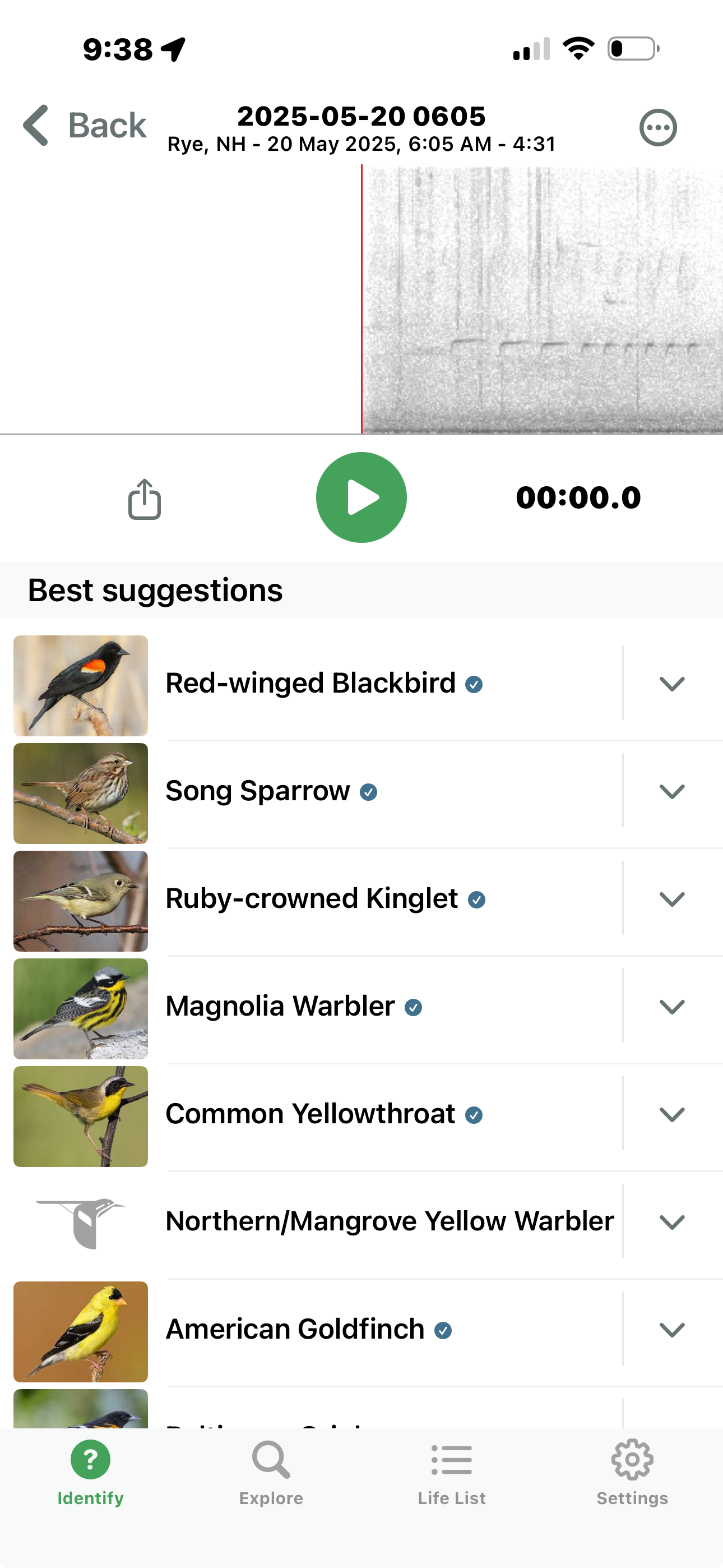
That increase in motion is matched by a rise in sound. Migrant birds call and sing constantly, some establishing territories, some advertising for mates, others simply practicing the songs they’ll use on their breeding grounds. The result is a complex soundscape that’s both beautiful and extremely useful. Because each species has a distinctive call, your ears will usually locate and identify birds before your eyes ever find them. For that reason, I treat birding and bird photography as “ears first, eyes second.” To accelerate the learning curve, I use the Merlin Bird ID app, which can identify likely species in real time from their songs and calls.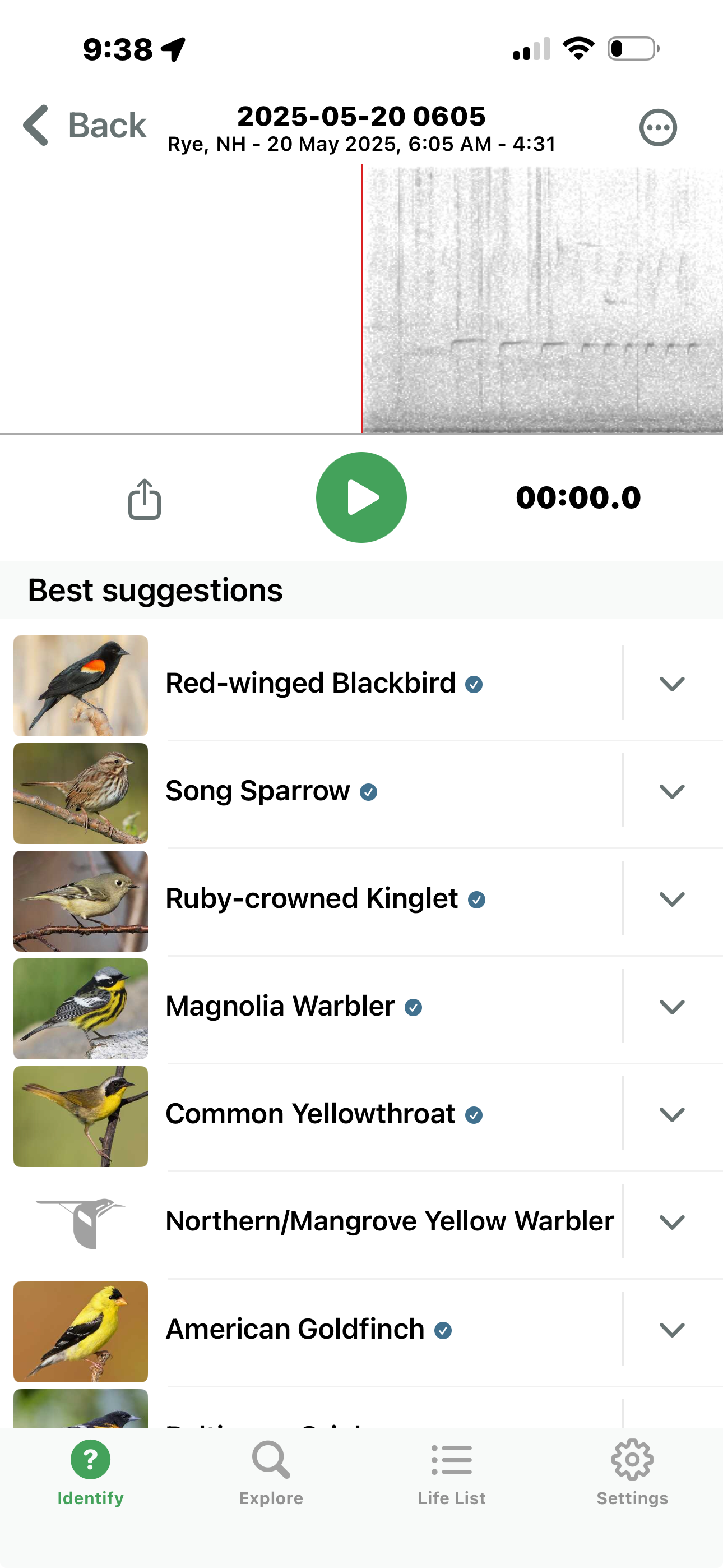
Once I’ve located and identified birds, I focus on staying nimble and responsive. In wooded habitats, I almost always shoot handheld with a 100–500mm zoom. My 600mm prime produces wonderful images, but it’s too cumbersome and too tight for small, active birds high in the canopy or buried in brush. The ability to zoom out to find a bird quickly, then zoom in to frame it tightly, is crucial for tracking their fast, erratic movements.I keep my camera settings simple and geared toward freezing motion. I start with:
Shutter speed: around 1/2000 sec to stop quick hops, wing flicks, and short flights.
Aperture: around f/7.1 for enough depth of field to keep the entire bird sharp.
ISO: Auto, so I can maintain those exposure settings as light shifts.
In dark forest interiors, that often means working at high ISOs, but I prioritize sharpness over noise. Grain can be reduced in post-processing; motion blur cannot. I also shoot in high-speed burst mode, up to 40 frames per second on my current setup. This produces a lot of files, but when a bird is constantly twitching, turning, and changing perches, a short burst is often the difference between a missed moment and one crisp, usable frame.Mindset:
I’m consistent about my approach to photography: I try to be fully present first, and let the photographs come out of that experience, not drive it. Spring migration can feel frantic, tiny birds zipping through layers of branches, songs coming from every direction, but my core philosophy doesn’t change. Even when I’m surrounded by potential subjects, I think it’s not only acceptable but essential to set the camera aside at times and simply be part of the forest.For me, that means arriving with the primary goal of listening and watching, not shooting. I let my senses adjust: I note the overall soundscape, pick out individual songs, track movement across my vision, and gradually tune in to the patterns of the morning. Only after I’ve started to understand what’s happening around me do I begin to think about photography. Birds are remarkable in their own right, complex, purposeful, and far more interesting than any single frame can show, and they deserve that level of attention. If you give yourself permission to observe first, you’ll almost always come away more moved by what you witnessed than by the images you captured.
Over time, I’ve found that this kind of sustained observation directly improves my photography. Simply spending time watching and listening has made me more familiar with species, behaviors, and preferred habitats. That knowledge lets me anticipate rather than react.
Brown Creepers are a good example. By repeatedly watching them, I’ve learned their feeding pattern: they start low on a tree trunk and work their way upward, picking insects from the bark, then drop down to the base of a nearby tree to start again. Once you understand that loop, you can stop chasing them high against a big, bright sky and instead wait near a lower trunk where they’re likely to land in better light and at a more workable angle.
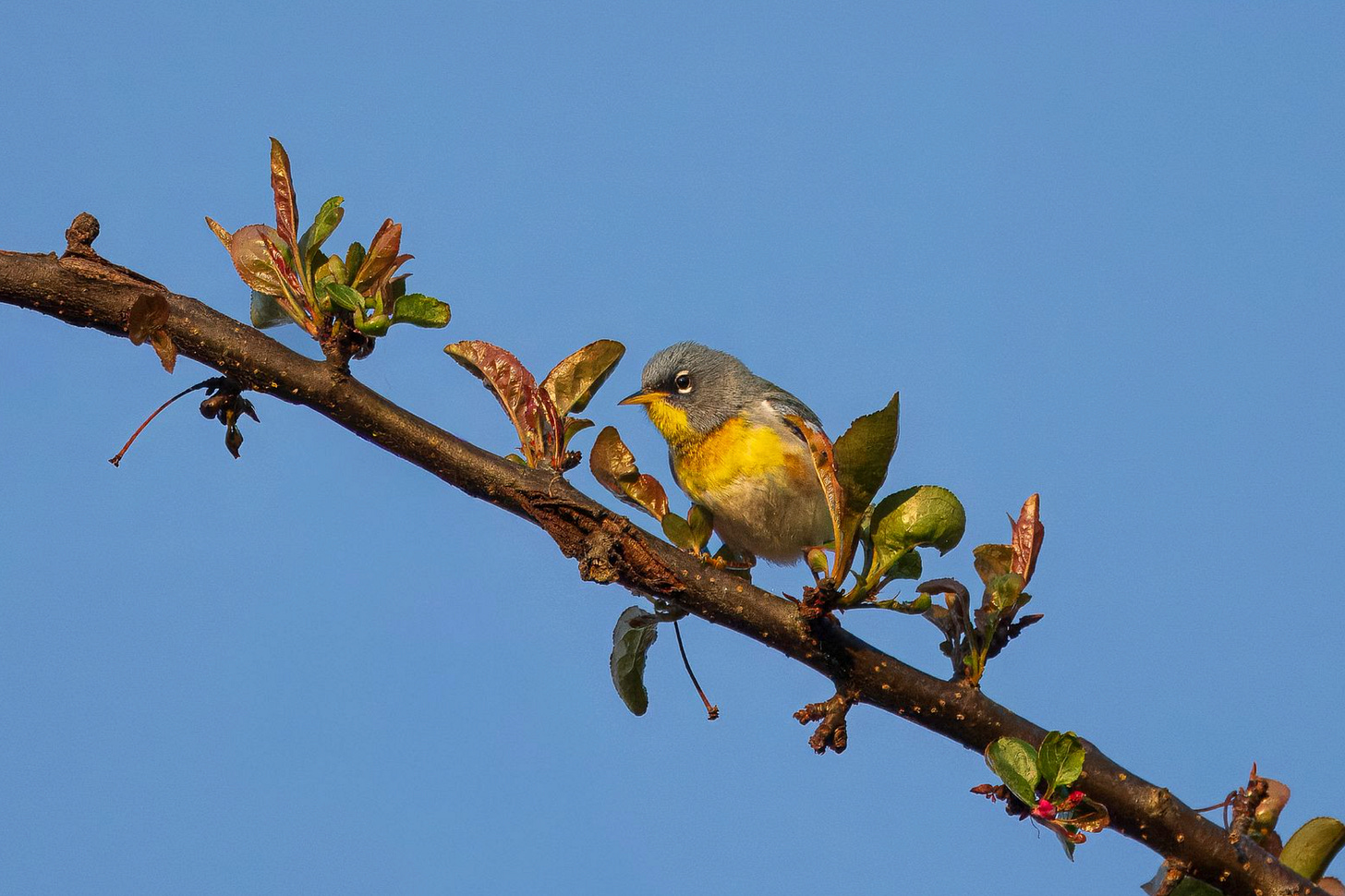
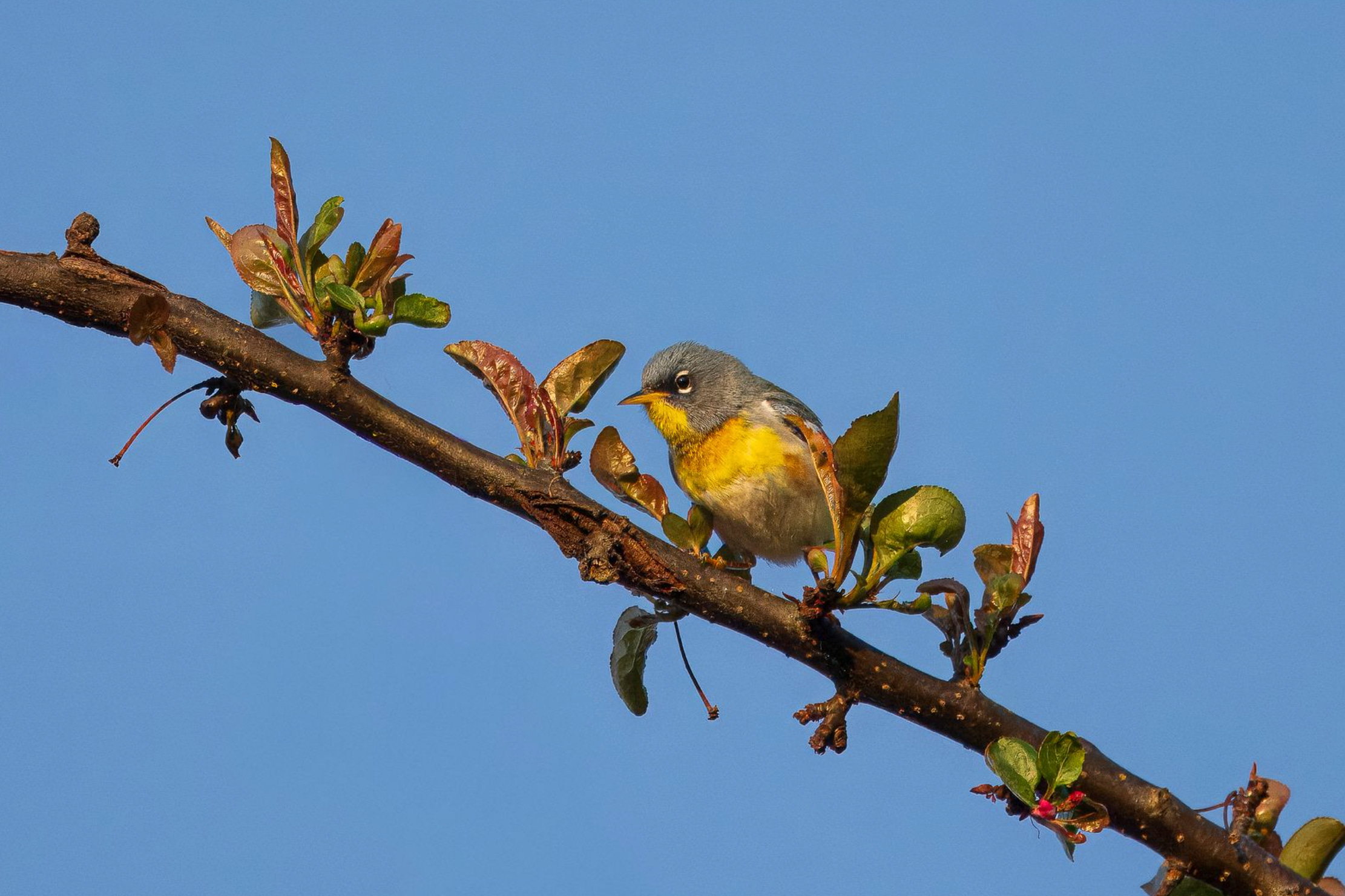
Warblers offer another case study. Species like Northern Parulas and Yellow-rumped Warblers often travel and feed in loose mixed flocks, moving through a patch of woods in waves. When I find one, I don’t grab a single shot and move on. I pause, watch the surrounding branches, and listen for additional calls. Usually, more birds are working the same area, some at different heights, some in slightly better light, some more exposed on the edges of foliage. That patience often yields multiple chances at cleaner perches, better poses, or more interesting interactions
.
The same principle applies broadly: when you allow yourself to sink into the rhythm of migration, the surges of song, the quiet lulls, the way different species use different layers of the forest, you gain a clearer sense of where to stand, where to look, and when to be ready. The “craziness” becomes legible; patterns emerge.In the end, all my best work comes from that order of operations: be present first, photograph second. By prioritizing connection and understanding over immediate results, I end up with images that not only look better, but also feel more true to the experience of being there.
Images
Some of my favorite images of wildlife from Costa Rica. With 17,000+ images captured, I have a lot more editing to do, but here’s a quick sample.


Three More
Three articles you may have missed.
Chasing Moments: Costa Rica! - Part 1 of (what will be 4 articles) on photographing Costa Rica. There are two more coming this week!
Costa Rica Part 2 - A bit about the logistics of traveling to Costa Rica
The Solo Pursuit of an Image - An article about photography, introversion, and loneliness.
Have a great week. See you next Monday.
I really enjoyed this article. Having not gone on any tropical trips this winter I find I’m a little impatient for spring arrivals. But they’re arriving. A hummingbird at my feeder this morning and Merlin just picked up a Louisiana waterthrush and a red shouldered hawk as I move through the woods. Thank you for the tip on the brown creepers. They can be quite elusive.
Excellent article Tony. I can relate and I felt like I was in the field with you.